

Beginner’s Guide to Transfiguration
Transfiguration, a cornerstone of magical education, fundamentally alters an object’s form or nature, demanding both logical precision and potent magical ability.
It’s a discipline encompassing Transformation, Vanishing, Conjuration, and Untransfiguration, each branch presenting unique challenges for aspiring witches and wizards.
Mastering this art requires understanding core principles, adhering to strict rules, and developing keen visualization skills, paving the way for advanced magical pursuits.
What is Transfiguration?
Transfiguration stands as one of the most complex and revered branches of magic, demanding a unique blend of precise wand work, potent incantations, and an exceptionally focused mind. Unlike charms, which alter an object’s properties subtly, Transfiguration fundamentally changes the object itself.
At its core, Transfiguration involves the alteration of molecular structure, reshaping matter from one form into another. This isn’t merely cosmetic; it’s a complete restructuring of the object’s inherent nature. The discipline isn’t simply about waving a wand and uttering a spell; it’s a demonstration of magical control and understanding of the world’s underlying principles.

It encompasses four primary branches: Transformation (changing one object into another), Vanishing (making objects disappear), Conjuration (summoning objects from nothing), and Untransfiguration (reversing transfigurations). Successfully navigating these branches requires diligent study and a firm grasp of the fundamental rules governing magical alteration.
The Core Principles of Transfiguration
Transfiguration isn’t simply about reciting incantations; it’s built upon a foundation of unwavering principles. Central to this discipline is a deep understanding of the object being altered – its composition, properties, and inherent magical resistance. A successful Transfiguration requires not just power, but also precise control and focused intent.
The Rule of Proximity dictates that the target must remain within the caster’s line of sight throughout the entire process. Gamp’s Law of Elemental Limitations prevents the creation of food, love, or life from nothing, highlighting the boundaries of magical power. Furthermore, the Principle of Conservation of Mass ensures that matter isn’t created or destroyed, only changed in form.
These aren’t mere guidelines; they are fundamental laws governing magical alteration. Violating them doesn’t just result in failed spells, but can lead to dangerous magical backlash, emphasizing the importance of rigorous study and adherence to established principles.
The Four Main Branches of Transfiguration
Transfiguration encompasses four distinct, yet interconnected, branches, each demanding unique skills and understanding. Transformation involves altering an object’s form – changing a matchstick into a needle, for example – requiring precise manipulation of its molecular structure.

Vanishing, conversely, focuses on the complete removal of an object’s existence, a deceptively complex process demanding a thorough understanding of dissolution. Conjuration is the art of bringing something into existence from nothing, limited by Gamp’s Law, preventing the creation of substances like food.
Finally, Untransfiguration reverses previous Transfigurations, restoring objects to their original state. Mastery of all four branches is crucial for a well-rounded Transfiguration education, building a comprehensive skillset for any magical challenge. Each branch builds upon the others, creating a holistic understanding of magical alteration.
Transformation
Transformation, arguably the most recognizable branch of Transfiguration, centers on altering the form of an object while preserving its mass. This isn’t simply changing appearance; it’s a fundamental restructuring at a molecular level. Beginners often start with simple transformations, like turning a matchstick into a needle, focusing on maintaining equivalent complexity.
Successful transformation demands precise wand movements, a clear mental image of the desired outcome, and a strong understanding of the object’s inherent properties. It’s crucial to remember the Principle of Conservation of Mass – you cannot create or destroy matter during the process.
Early exercises emphasize control and accuracy, gradually increasing in difficulty as students gain proficiency. Mastering transformation lays the groundwork for more advanced transfigurative feats, building a solid foundation for future magical endeavors.
Vanishing
Vanishing, as the name suggests, involves making objects disappear entirely. However, it’s not simply destruction; the object’s matter is redirected, though the exact destination remains a complex magical mystery. This branch requires a delicate balance of power and control, as a poorly executed Vanishing spell can lead to unpredictable and potentially dangerous consequences.
Beginners typically practice on small, inanimate objects, learning to dismantle the object’s magical signature and disperse its essence. The Rule of Proximity is particularly important here – maintaining a clear line of sight is essential for successful vanishing.
Unlike transformation, vanishing doesn’t involve creating something new; it’s about negating existence, demanding a different mental approach. It’s a challenging skill, requiring focus and precision, and serves as a vital component of a well-rounded transfigurative skillset.
Conjuration
Conjuration is arguably the most difficult branch of Transfiguration, involving the creation of objects from absolutely nothing. It’s not merely summoning something that already exists elsewhere, but genuinely bringing something new into being. This process directly challenges Gamp’s Law of Elemental Limitations, making it exceptionally complex and demanding.
Beginners quickly learn that conjuring food, love, or even life itself is impossible – the magical universe fundamentally prohibits creating something from pure nothingness. Instead, early exercises focus on conjuring simple, inanimate objects, like a small glass of water.
Successful conjuration requires immense magical power, precise wandwork, and a complete understanding of the object’s composition. It’s a testament to a transfigurator’s skill and control, and a crucial step towards mastering the art.
Untransfiguration
Untransfiguration represents the vital skill of reversing transfigurations, restoring objects to their original state. It’s often considered the counterpart to Transformation, demanding equal precision and control. Mastering this branch is crucial, as improperly performed transfigurations can have lasting and potentially dangerous consequences.
Unlike some other areas of magic, Untransfiguration doesn’t allow for creative interpretation. The goal is absolute restoration, requiring a thorough understanding of the original object’s form and properties. A skilled transfigurator must essentially ‘undo’ the changes made during the initial transformation.
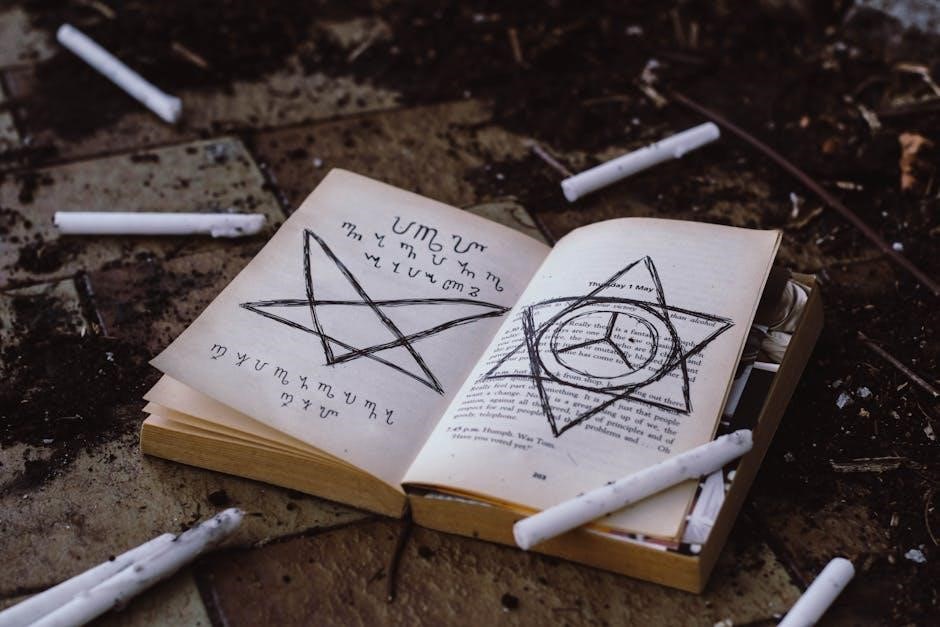
Beginners practice by reversing simple transfigurations, gradually increasing the complexity as their skills develop. It’s a fundamental skill, ensuring magical safety and responsible practice.
Fundamental Rules of Transfiguration
Transfiguration isn’t simply about waving a wand and willing change; it operates under a strict set of rules. These aren’t suggestions, but fundamental laws governing magical alteration, and understanding them is paramount for any aspiring transfigurator.
The Rule of Proximity dictates that the object targeted for transfiguration must remain within the caster’s direct line of sight throughout the process. Losing sight of the object can disrupt the spell and lead to unpredictable results.
Gamp’s Law of Elemental Limitations prevents the creation of something from absolutely nothing – you cannot conjure food, love, life, or money. Finally, the Principle of Conservation of Mass ensures that matter isn’t created or destroyed, only altered.
These rules are non-negotiable, and breaking them can result in dangerous magical backlash.
The Rule of Proximity
The Rule of Proximity is a foundational principle in Transfiguration, demanding unwavering focus and visual connection between the witch or wizard and the object undergoing change. It states unequivocally that the target of the transfiguration spell must remain continuously within the caster’s direct line of sight.

Any interruption to this visual link – even a momentary blink or distraction – can severely disrupt the magical flow, leading to incomplete, unstable, or entirely failed transfigurations. Maintaining this unbroken gaze requires concentration and control.
Beginners often struggle with this rule, finding it difficult to sustain focus while simultaneously performing the correct wand movement and incantation. Practice and discipline are key to mastering this essential aspect of Transfiguration.
Gamp’s Law of Elemental Limitations
Gamp’s Law of Elemental Limitations represents a fundamental constraint within the realm of Transfiguration, dictating the boundaries of what can be created through magical means. This law explicitly prohibits the conjuration of substances that inherently represent fundamental life forces or complex desires.
Specifically, witches and wizards are unable to conjure food, love, or life from nothingness. Similarly, the creation of money through Transfiguration is also forbidden, as it represents a manufactured value rather than a naturally occurring element.
Attempting to circumvent Gamp’s Law invariably results in magical failure and potentially dangerous backlash. Understanding and respecting these limitations is crucial for any aspiring Transfiguration practitioner.
The Principle of Conservation of Mass
The Principle of Conservation of Mass is a cornerstone of Transfiguration theory, asserting that matter cannot be created or destroyed, only altered in form. This means a Transfiguration cannot simply add to the total amount of substance present; it can only redistribute what already exists.
When transforming an object, the resulting form must contain the same amount of mass as the original. A small pebble cannot be Transfigured into a large boulder, as this would violate the principle by creating additional matter.
Ignoring this fundamental law doesn’t just lead to failed spells; it can trigger dangerous magical repercussions. Adhering to the principle is vital for safe and successful Transfiguration practice.
Essential Wand Movements for Beginners
Wand movements are integral to successful Transfiguration, acting as the physical conduit for magical intent. Beginners must prioritize precision and control over flamboyant flourishes. A simple, yet deliberate, swish and flick is often the foundation for many basic transformations.
The movement should correspond directly with the desired change; for example, a clockwise swirl might indicate growth, while a sharp downward chop could signify reduction. Maintaining a steady hand and focusing on the intended outcome are crucial.
Practice these movements repeatedly, even without incantations, to build muscle memory and refine technique. Remember, the wand is an extension of your will, and its movements must be purposeful and accurate.
Incantations: The Verbal Component
Incantations are the spoken component of Transfiguration, channeling magical energy and directing it towards a specific purpose. They aren’t merely words, but precisely formulated phrases imbued with power and intent. Pronunciation is paramount; even slight deviations can lead to unpredictable, and potentially dangerous, results.
Beginners will encounter spells like Avifors (Avifors), transforming objects into birds, and Crinus Muto (Crinus Muto), altering hair color and style. These provide excellent practice in vocal control and spell articulation.
Understanding the structure of incantations – often rooted in Latin – can aid comprehension and memorization. Consistent, clear enunciation, coupled with focused concentration, is key to unlocking the full potential of these verbal commands.

Avifors Spell (Avifors)
Avifors is a foundational Transfiguration spell, ideal for beginners seeking to grasp the principles of object transformation. Its primary function is to convert small objects, or even statues, into birds – typically small ones like finches or sparrows.
The incantation, pronounced “Avifors,” requires precise articulation and a clear mental image of the desired avian form. Wand movement is equally crucial, generally involving a swift, upward flick accompanied by focused concentration.
Successful execution demonstrates a student’s ability to alter an object’s inherent properties, a core tenet of Transfiguration. However, beginners often struggle with maintaining the spell’s integrity, resulting in partially transformed or unstable birds.
Crinus Muto (Crinus Muto)
Crinus Muto, pronounced “Kree-nus Moo-toh,” offers a less complex, yet visually rewarding, introduction to Transfiguration for novice practitioners. This spell specifically alters the caster’s hair – changing its color and style at will.
Unlike transforming inanimate objects, Crinus Muto focuses the magical energy on a part of the caster’s own being, potentially simplifying the visualization process. The wand movement typically involves a series of swirling motions around the head.
While seemingly superficial, mastering Crinus Muto builds confidence and control, reinforcing the importance of precise incantation and focused intent. It’s a popular choice for first-year students eager to see immediate, tangible results from their efforts.
Common Transfiguration Incantation Structures
Transfiguration incantations aren’t simply random words; they often follow discernible structures, aiding in focus and magical channeling. While not universally rigid, many successful spells incorporate Latin roots, reflecting the historical foundations of magical study.
A typical structure involves a descriptive verb followed by a noun indicating the desired outcome. For example, “Avifors” (from avis, bird) directly implies the transformation into a bird. Precision in pronunciation is paramount, as even slight deviations can lead to unpredictable results;
Understanding these underlying patterns allows students to deconstruct existing spells and, eventually, formulate their own, albeit under strict supervision. Recognizing these structures is a key step towards advanced spell creation and mastery.
Transfiguring Objects: A Step-by-Step Guide
Beginner transfiguration typically starts with simple object alterations, like matching a needle to a pin. First, clearly visualize the desired outcome – the pin’s shape, size, and metallic sheen. Maintain unwavering focus; wavering thoughts disrupt the magical flow.
Next, position the needle within your line of sight, adhering to the Rule of Proximity. Firmly grasp your wand, employing the correct movement (a precise flick and swirl, as instructed). Simultaneously, enunciate the appropriate incantation, such as a basic transformation spell.
Finally, maintain concentration after casting. Observe the needle closely, willing it to change. Expect initial failures; persistence and refined technique are crucial for success.
The Importance of Visualization
Visualization is paramount in successful Transfiguration; it’s not merely seeing the desired outcome, but fully experiencing it within your mind’s eye. Imagine every detail – the texture, color, weight, and even the subtle nuances of the transformed object.
A weak or unfocused mental image results in flawed or incomplete transfigurations. Think of it as providing a blueprint for your magic. The clearer the blueprint, the more accurate the result. This mental clarity directly impacts the spell’s power and precision.
Practice visualizing simple transformations repeatedly, strengthening your mental muscle. This skill isn’t innate; it requires dedicated effort and consistent practice, ultimately unlocking your transfigurative potential.
Common First-Year Transfiguration Challenges
First-year Transfiguration students frequently encounter difficulties stemming from a lack of precise wand control and insufficient mental focus. Transforming matchsticks into needles proves particularly troublesome, demanding meticulous wand movements and a clear visualization of the needle’s form.
Many struggle with maintaining concentration throughout the entire process, resulting in partially transformed objects or unintended consequences. The Rule of Proximity often trips up beginners, as losing sight of the target disrupts the magical connection.
Furthermore, understanding and internalizing Gamp’s Law of Elemental Limitations is crucial; attempting to conjure food often leads to comical, yet frustrating, failures. Patience and persistent practice are key to overcoming these initial hurdles.
Safety Precautions in Transfiguration
Transfiguration, while fascinating, demands strict adherence to safety protocols. Incorrectly performed spells can lead to unpredictable and potentially dangerous magical backlash, emphasizing the importance of careful execution.
Always ensure a clear workspace, free from obstructions, to maintain focus and prevent accidental misdirection of spells. Never attempt transformations beyond your current skill level; pushing boundaries prematurely can result in unstable or incomplete transfigurations.
Strictly observe Gamp’s Law of Elemental Limitations – attempting to circumvent these rules is exceptionally hazardous. Prioritize controlled wand movements and unwavering concentration, and always have a plan for Untransfiguration in case of errors.
Advanced Transfiguration: Animagus Transformation
Animagus Transformation represents the pinnacle of transfigurative skill, a highly complex and regulated magical process allowing a wizard or witch to transform into an animal at will.
Unlike simpler transfigurations, becoming an Animagus isn’t merely altering form; it’s a complete and sustained magical restructuring, requiring years of dedicated study and rigorous self-discipline. It’s an exception to typical transfiguration rules, demanding profound control.
The process involves discovering one’s unique animal form, a reflection of inner personality, and mastering the intricate spellwork to achieve and reverse the transformation safely. Maintaining a human mind within the animal form is crucial, allowing for conscious control and eventual return.
The Ethical Considerations of Transfiguration
Transfiguration, while powerful, carries significant ethical responsibilities. Altering the fundamental nature of objects and creatures demands careful consideration of potential consequences and respect for inherent magical laws.
The temptation to circumvent natural limitations – such as conjuring food or wealth – is explicitly forbidden by Gamp’s Law of Elemental Limitations, highlighting the dangers of disrupting the magical equilibrium. Irresponsible transfiguration can lead to unpredictable magical backlash and unintended harm.
Furthermore, transforming living beings, even temporarily, raises questions of consent and autonomy. The potential for misuse, particularly in coercion or deception, necessitates a strong moral compass and adherence to established magical ethics. Responsible practice prioritizes safety and respect for all magical life.
Transfiguration and Other Magical Disciplines
Transfiguration doesn’t exist in isolation; it’s intricately linked with other branches of magic, each influencing and complementing the others. Compared to Charms, which generally alter properties without fundamental change, Transfiguration achieves complete structural shifts.
While Charms might levitate an object, Transfiguration can turn it into something entirely different. The relationship with Potions is also crucial; potions can provide the necessary catalysts or enhance a transfiguration’s stability, though they cannot perform the transformation itself.
A strong understanding of both disciplines is often required for complex magical work. Furthermore, advanced Transfiguration, like Animagus transformation, demands exceptional control and a deep understanding of magical anatomy, blurring the lines between disciplines.
Transfiguration vs. Charms
Transfiguration and Charms, while both vital magical disciplines, operate on fundamentally different principles. Charms primarily alter the properties of an existing object – its color, weight, or behavior – without changing its inherent nature. Think of levitation or illuminating a space; the object remains fundamentally itself.
Transfiguration, conversely, involves a complete restructuring of the object’s molecular and elemental composition. It’s not merely changing what an object does, but what it is. Turning a match into a needle is Transfiguration, not a Charm.
The complexity reflects this difference; Transfiguration is generally considered more challenging, requiring greater magical power and precision. Charms often serve as building blocks for Transfiguration, providing preparatory effects, but they cannot achieve a full transformation alone.
Transfiguration vs. Potions
Transfiguration and Potions represent distinct approaches to achieving magical effects, differing in methodology and the nature of their results. Potions rely on precise ingredient combinations and brewing techniques to create temporary, often consumable, effects. They work by inducing chemical and magical changes within a substance.
Transfiguration, however, directly alters the physical form or properties of objects and creatures through willpower and incantations. It’s an immediate, visible change, not a gradual effect achieved through consumption. While a potion might grant temporary flight, Transfiguration could turn a beetle into a button.
Potions often require extensive preparation and knowledge of ingredients, while Transfiguration demands precise wand work and focused intent. Both are powerful, but their strengths lie in different areas of magical application.
Troubleshooting Common Transfiguration Errors
Beginner Transfiguration often encounters frustrating setbacks. A frequent issue is incomplete transformation – a teacup with a beak instead of a bird, for example. This usually indicates insufficient willpower or imprecise wand movements. Remember, visualization is key; clearly picture the desired outcome.
Another common error is ‘scrambling’ – the object’s molecules becoming unstable and resulting in a messy, undefined form. This often stems from attempting transformations beyond one’s skill level or violating Gamp’s Law of Elemental Limitations.
Reversal issues, where untransfiguration fails, can occur due to a weak understanding of the original spell or a lack of focus. Always double-check your incantation and wand movement for accuracy. Practice and patience are vital for overcoming these hurdles.
Resources for Further Study
Expanding your Transfiguration knowledge requires dedicated study beyond the classroom. Hogwarts Library boasts an extensive collection, including advanced texts on molecular restructuring and conjuration theory. Seek out works detailing the historical evolution of Transfiguration techniques.
For practical application, consider joining a study group with fellow students to share experiences and troubleshoot challenges collaboratively. Online forums, while requiring discernment, can offer diverse perspectives and insights into complex spells.
Experienced Transfiguration masters occasionally offer private tutoring, providing personalized guidance. Remember to always prioritize safety and ethical considerations when experimenting with advanced techniques. Continuous learning is crucial for mastering this intricate art.
The History of Transfiguration at Hogwarts
Transfiguration’s roots at Hogwarts are deeply intertwined with the school’s founding, evolving alongside magical understanding. Early practitioners focused on rudimentary transformations, gradually refining techniques over centuries.
Notable figures throughout Hogwarts’ history have significantly advanced the discipline, establishing core principles and pushing the boundaries of what’s possible. Records indicate a surge in Transfiguration innovation during the medieval period, driven by alchemical pursuits.
The curriculum has undergone periodic revisions, adapting to new discoveries and ensuring students receive comprehensive training. Studying past masters’ breakthroughs provides invaluable context for modern practice, revealing the discipline’s rich and dynamic heritage.
Famous Transfiguration Masters

Throughout Hogwarts’ history, several witches and wizards have distinguished themselves as exceptional Transfiguration masters, leaving an indelible mark on the discipline; Their innovations and teachings continue to inspire students today.
Minerva McGonagall, a renowned professor and Head of Gryffindor, stands as a prime example, demonstrating unparalleled skill in both practical application and theoretical understanding. Her ability to seamlessly transform into a cat is legendary.
Other notable figures, though less widely known, contributed significantly to the field. Ancient texts mention Emeric Switch, credited with early advancements in conjuration techniques, and Helga Hufflepuff, whose work focused on practical, everyday transfigurations. Their legacies endure through continued study.